

How to Delegate Repetitive Work to AI Without Losing Quality Control
Handing repetitive tasks to AI is safe when you define clear triggers, inputs, and human review gates. This guide explains how to audit your workload, set approval checkpoints, define quality criteria, and pilot test workflows. It provides a practical framework for maintaining oversight while automating routine computer-based work. according to Obsessive Compulsive Disorder For additional details, review the About SmartAIWorld and Donald.
Task Audit Methodology
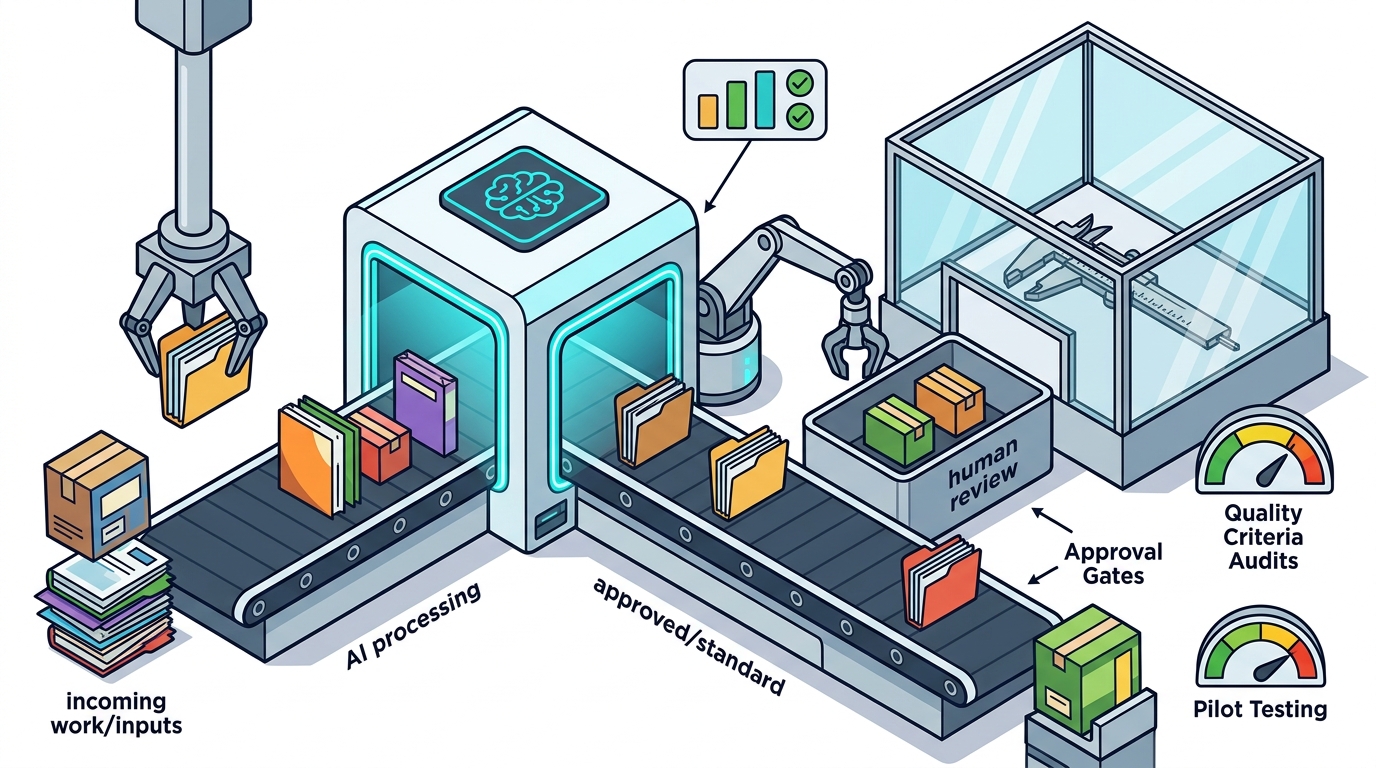
Identifying the right tasks for AI delegation starts with a structured audit of your daily and weekly activities. You need to distinguish between tasks that require deep creative judgment and those that follow predictable patterns. Task audit methodology is the process of cataloging recurring work to identify candidates for automation. This approach prevents you from trying to automate complex, high-stakes decisions prematurely.
Identifying Repetitive Patterns
Begin by listing every task you perform at least twice a month. Focus on text-based and organizational work, such as summarizing notes, drafting emails, or organizing data. These tasks are ideal because they have clear inputs and verifiable outputs. According to research from Stanford HAI, workers primarily seek automation for repetitive tasks but prefer to retain agency and oversight. This confirms that the goal is assistance, not full replacement.
Filtering for Verifiability
Not all repetitive tasks are suitable for AI. You must filter for tasks where you can easily verify the result. If a task requires specialized domain knowledge that is difficult to check, it may not be a good candidate. Look for tasks where the For additional details, review the Student Login SmartAIWorld Academy.