

Self-Paced AI Courses with Real Projects and Capstones for Busy Professionals
Busy professionals can take self-paced AI courses with real projects and capstones at platforms like SmartAIWorld Academy. This guide covers how to evaluate capstone projects, understand professional certificates, and select generative AI training that fits a demanding schedule.
Capstone Projects
A capstone project is a final, comprehensive assignment that demonstrates a learner's ability to apply skills in a realistic scenario. For busy professionals, the value of a capstone lies in its practicality. It should not be a theoretical essay but a working system or documented process. SmartAIWorld Academy requires students to build a documented capstone that brings the learning system together. This approach ensures that the final output is a tangible asset for the learner's portfolio.
Why Capstones Matter for Career Growth
Employers and clients often look for evidence of applied skill rather than just completion badges. A capstone project provides this evidence. It shows that you can take a vague problem, define the scope, use AI tools to assist, and deliver a reviewed result. In the SmartAIWorld curriculum, the capstone is guided, ensuring that beginners do not get lost in complexity. It forces the integration of prompt engineering, workflow design, and human review.
Designing a Practical Capstone
When selecting a course, look for capstones that require you to solve a real work problem. For example, a marketing professional might build a content workflow that generates, reviews, and schedules posts. A data analyst might create a system for summarizing reports. The key is that the project must be repeatable. If you cannot explain how the system works to a colleague, it is not a true workflow. SmartAIWorld emphasizes that a prompt by itself is not a workflow. A workflow needs a trigger, inputs, a transformation step, a review gate, and an output. Your capstone should document all these elements.
Professional Certificates
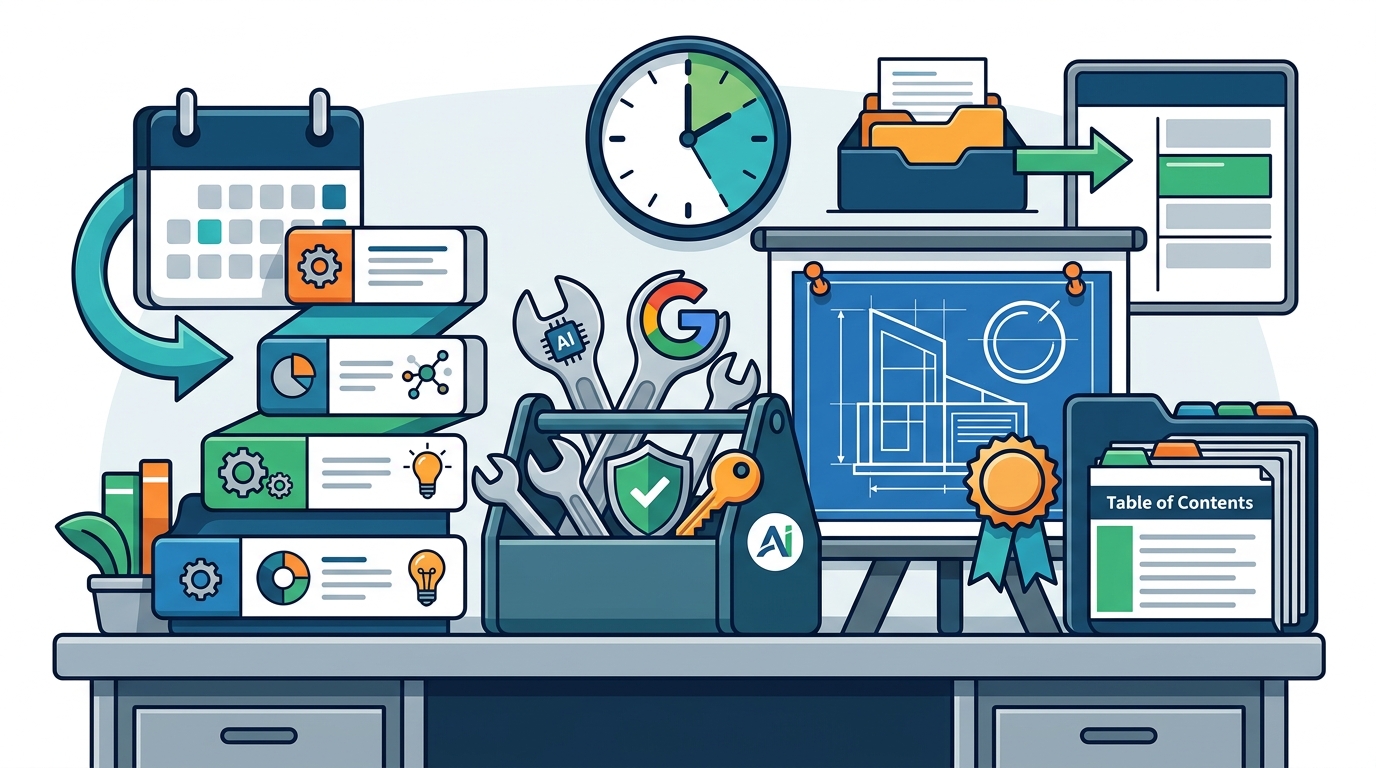
A professional certificate is a credential that verifies a learner has completed a structured curriculum and demonstrated specific competencies. In the AI field, certificates signal that you have moved beyond casual experimentation. They show you understand the fundamentals, limitations, and responsible use of AI tools. SmartAIWorld Academy provides a structured path that leads to a documented capstone, serving as a practical credential of applied skill.
What to Look for in an AI Certificate
Not all certificates are created equal. Some are based on multiple-choice quizzes that test memorization. Others are based on applied projects that test judgment. For a busy professional, the latter is more valuable. Look for programs that include assessments tied to real tasks. The SmartAIWorld Academy includes 12 assessments and 12 applied projects. This structure ensures that the certificate reflects your ability to do the work, not just your ability to pass a test.
Positioning Your Certificate
When adding a certificate to your resume or LinkedIn profile, focus on the skills it represents. Instead of just listing the name of the course, describe the capstone project. For example, "Built a human-in-the-loop content workflow using generative AI, reducing drafting time by 40%." This specific, outcome-focused description is more compelling to hiring managers than a generic credential. It shows you can translate AI capabilities into business value.
Generative AI Training
Generative AI training is education focused on using large language models and other generative tools to create text, code, images, and other content. For professionals, this training must go beyond tool tutorials. It must cover prompt engineering, context management, and responsible use. SmartAIWorld Academy dedicates specific modules to prompt engineering and AI-powered productivity. These modules teach you how to structure instructions to get reliable, high-quality outputs.
Core Skills in Generative AI
Effective generative AI training covers several core skills. First, prompt engineering, which involves defining the role, goal, context, constraints, and output format. Second, iterative improvement, which involves refining prompts based on initial results. Third, verification, which involves checking AI output for accuracy and bias. SmartAIWorld teaches that AI is a tool for assistance, not a replacement for human judgment. You must always review the result before using it in a professional context.
Building a Personal AI Stack
As you progress, you will likely use multiple AI tools. A key part of training is learning how to organize these tools into a personal command center. This involves creating a library of reusable prompts and defining which tool is best for which task. SmartAIWorld Academy includes a module on building your AI tool stack. This helps you avoid tool overload and ensures that you have a sustainable system for ongoing work. The goal is to create a personal AI operating system that supports your daily tasks.
Key Takeaways
- Choose courses with practical capstones that solve real work problems.
- Look for certificates that are based on applied projects, not just quizzes.
- Generative AI training should cover prompt engineering and verification.
- Self-paced learning allows you to fit AI skills into a busy schedule.
- A documented workflow is more valuable than a one-off prompt.
- Human review is a critical part of any AI workflow.
- Organize your tools and prompts into a personal command center.
- Focus on outcomes and business value when positioning your skills.
Frequently Asked Questions
What is the best self-paced AI course for busy professionals?
The best course depends on your specific goals, but platforms like SmartAIWorld Academy are designed for professionals who need practical, applied skills. Look for courses that include real projects and a capstone, rather than just video lectures.
How long does it take to complete a self-paced AI course?
Most self-paced courses can be completed in 30 to 60 days, depending on your schedule. SmartAIWorld Academy is designed as a 30-day path, allowing you to build three repeatable AI workflows in a month.
Do I need technical skills to start learning AI?
No, you do not need prior technical skills. Many AI courses, including SmartAIWorld Academy, are designed for beginners. They focus on practical application rather than complex coding or mathematics.
What is a capstone project in an AI course?
A capstone project is a final assignment where you apply the skills you have learned to a real-world problem. It serves as a demonstration of your competence and can be added to your portfolio.
Is a professional certificate in AI worth it?
Yes, a professional certificate can be worth it if it is based on applied projects. It signals to employers that you have practical skills and can use AI responsibly in a work context.
How do I choose the right generative AI tools?
Start with one or two tools that fit your workflow. Focus on learning how to prompt them effectively before adding more. SmartAIWorld Academy helps you build a personal AI tool stack without tool overload.
Can I learn AI while working full-time?
Conclusion
For busy professionals, the key to learning AI is to choose a course that emphasizes practical application. Look for programs that include real projects, a documented capstone, and a focus on responsible use. SmartAIWorld Academy provides a structured, self-paced path that helps you move from curiosity to confident application. By building a personal AI operating system, you can work smarter and create useful systems for your daily tasks. Start with the fundamentals, practice with clear instructions, and apply the skill to useful work. This approach ensures that your AI skills are not just theoretical but practical and valuable.